The True Cost of Delaying Asphalt Repairs
Have you ever looked at a tiny hairline crack in your parking lot or driveway and thought, “I’ll just deal with that next year”? It’s easy to ignore the slow, silent degradation of asphalt. But underneath that hard, black surface, a microscopic war is being waged by UV rays, freezing water, and heavy vehicle traffic. Ignoring it isn’t saving you money; it’s practically financing a future disaster.
Quick Answer: The core advantage of proactive pavement maintenance is stopping structural deterioration before it reaches the expensive sub-base layer. By routinely maintaining your asphalt, property owners can:
- Extend the lifespan of their asphalt by up to 20 years.
- Reduce long-term repair costs by 75%.
- Minimize trip-and-fall liability risks.
- Dramatically enhance the curb appeal and safety of their property.
Let’s dig into the exact reasons why staying ahead of the decay is the smartest move you can make for your property.
The Financial Benefits of Asphalt Preservation
1. The “1-to-4” Engineering Rule
In the paving industry, the math is undeniable. Procrastination carries a massive premium:
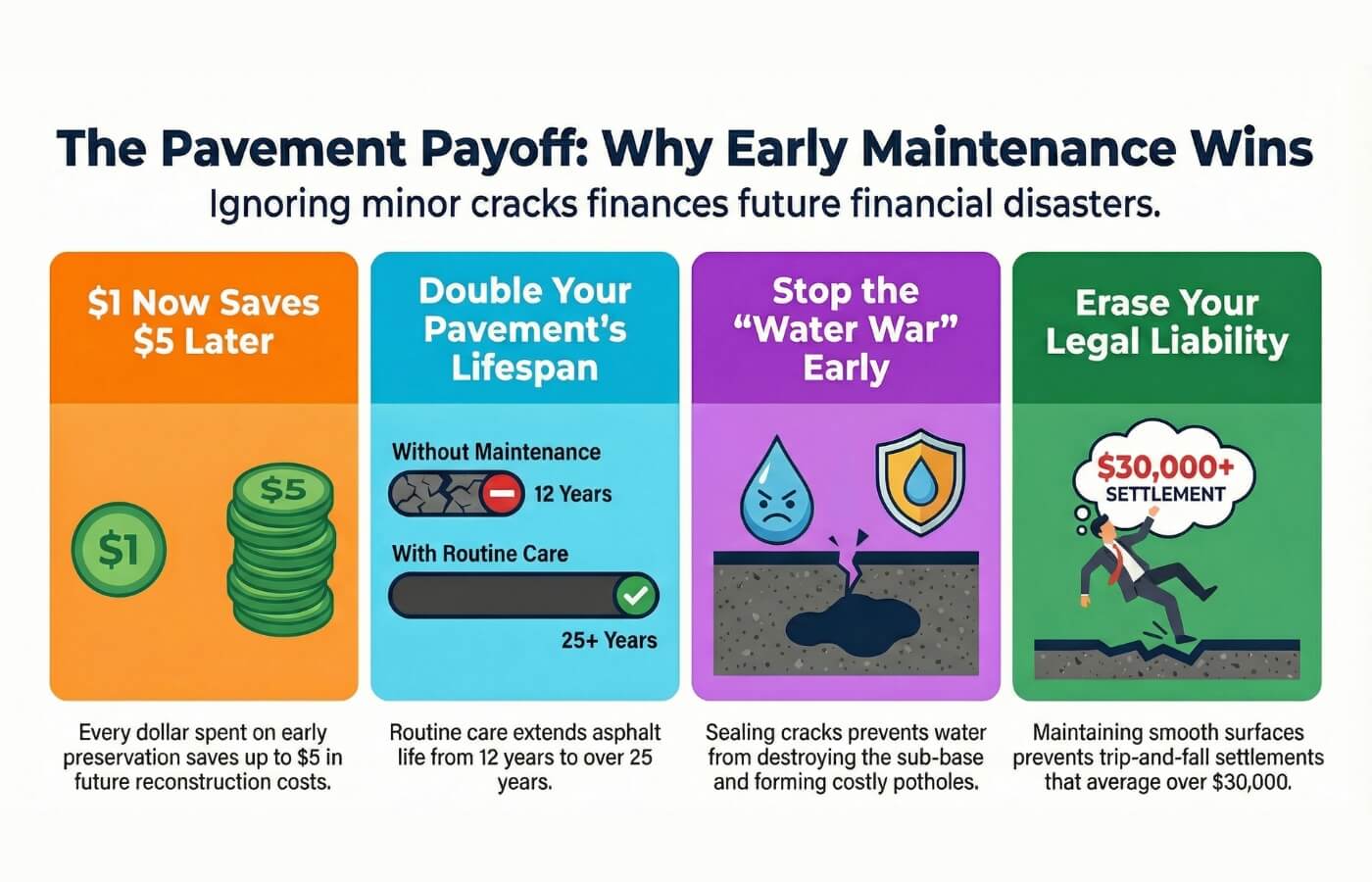
- According to data from the Federal Highway Administration, spending $1 on preservation early saves upwards of $4 to $5 in future rehabilitation costs.
- If you let the surface degrade to the point of needing a total tear-out and repave, your costs multiply exponentially.
2. Extending Surface Lifespan
Asphalt is not a permanent fixture; it’s a wear item. However, maintenance changes the timeline:
- Consistent care can easily double the functional life of your driveway or commercial lot.
- Instead of replacing the surface every 12 to 15 years, a well-maintained lot can push past 25 years before requiring a full structural overhaul.
3. Stopping Asphalt Oxidation
Fresh asphalt is highly flexible because it is rich in liquid asphalt binders (oils called maltenes). As the sun beats down on it, damage occurs:
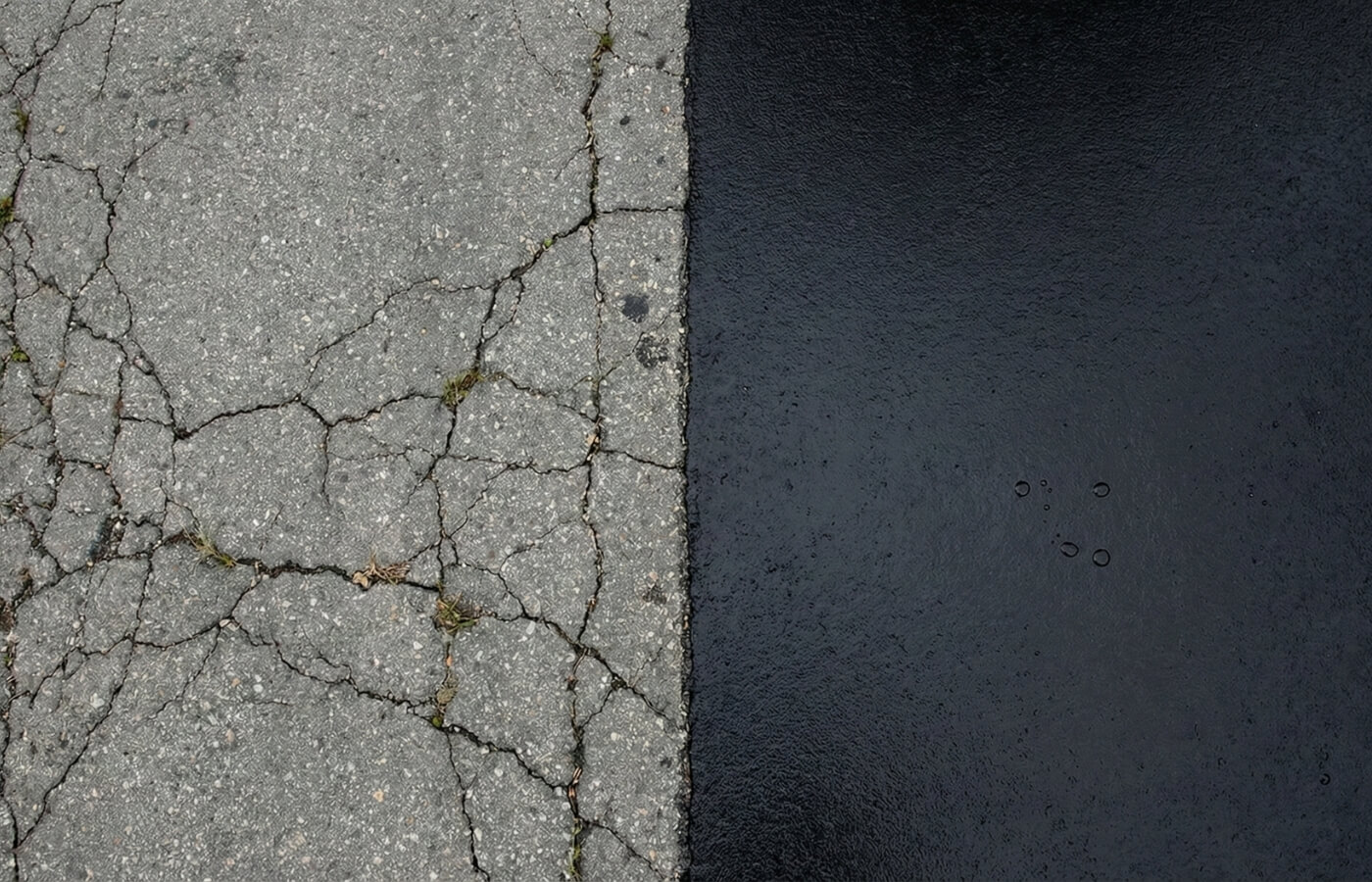
- UV rays bake these essential oils out, turning the asphalt from a rich black to a faded, chalky grey.
- The pavement becomes incredibly brittle and prone to snapping under the weight of vehicles.
- Professional sealcoating replenishes these vital oils and creates a sunscreen-like barrier against UV damage.
Reducing Safety Risks and Legal Liability
4. Eliminating Trip-and-Fall Hazards
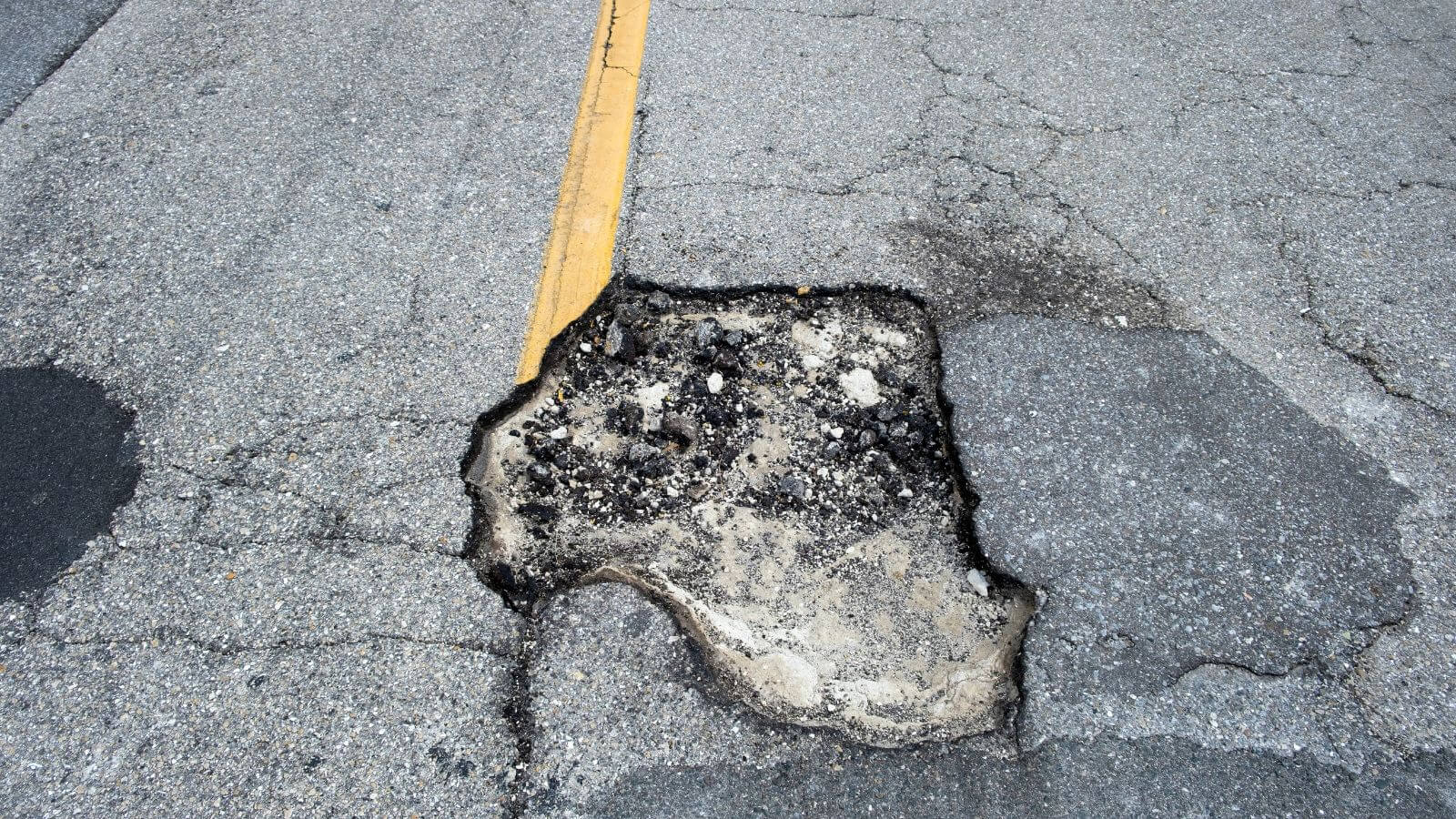
Potholes and severely uneven, cracked surfaces are lawsuits waiting to happen:
- The average settlement for a commercial trip-and-fall injury easily exceeds $30,000.
- This does not include the subsequent hike in your insurance premiums.
- Keeping the surface smooth and structurally sound removes this immense physical and financial danger.
5. Preventing Vehicle Damage Claims
For commercial property managers, ignored pavement is a customer service nightmare:
- A tenant or customer blowing out a tire or damaging their suspension on a pothole usually results in a messy claims process.
- Addressing deep structural voids early is vastly cheaper than paying out property damage claims to angry visitors.
6. Ensuring Clear Navigation and Compliance
Faded lines aren’t just ugly; they are confusing and potentially illegal:
- A vital part of maintenance involves re-striping parking stalls, fire lanes, and crosswalks.
- Clear, bright markings ensure efficient traffic flow and keep your property fully compliant with local accessibility regulations.
Defending Asphalt Against Weather Damage
7. Blocking Water Infiltration
Water is the single most destructive force to pavement. Here is how the damage happens:
- When water slips into unsealed cracks, it erodes the crushed stone sub-base that holds the asphalt up.
- Once that base washes away, the asphalt above it caves in, forming a pothole.
- Investing in professional crack sealing acts as an impenetrable plug, keeping water on the surface and saving your sub-base.
8. Defeating the Freeze-Thaw Cycle
In places like Ontario, winter weather is relentless on hardscapes:
- Trapped water expands by 9% when it freezes.
- This incredible hydrostatic pressure physically tears the asphalt apart from the inside out.
- Keeping the surface sealed and watertight is your only true defence against winter frost heaving.
9. Resisting Chemical and Oil Breakdown
Asphalt is a petroleum-based product, making it vulnerable to vehicle leaks:
- Motor oil, gasoline, or brake fluid act as solvents, literally dissolving the asphalt binder and turning hard pavement into soft mush.
- A quality sealcoat creates a barrier that slows down this chemical penetration, giving you time to clean up spills.
Long-Term Aesthetic and Environmental Benefits
10. Maximizing Curb Appeal
First impressions matter for any property:
- You can have beautiful landscaping, but a crumbling parking lot makes property value plummet.
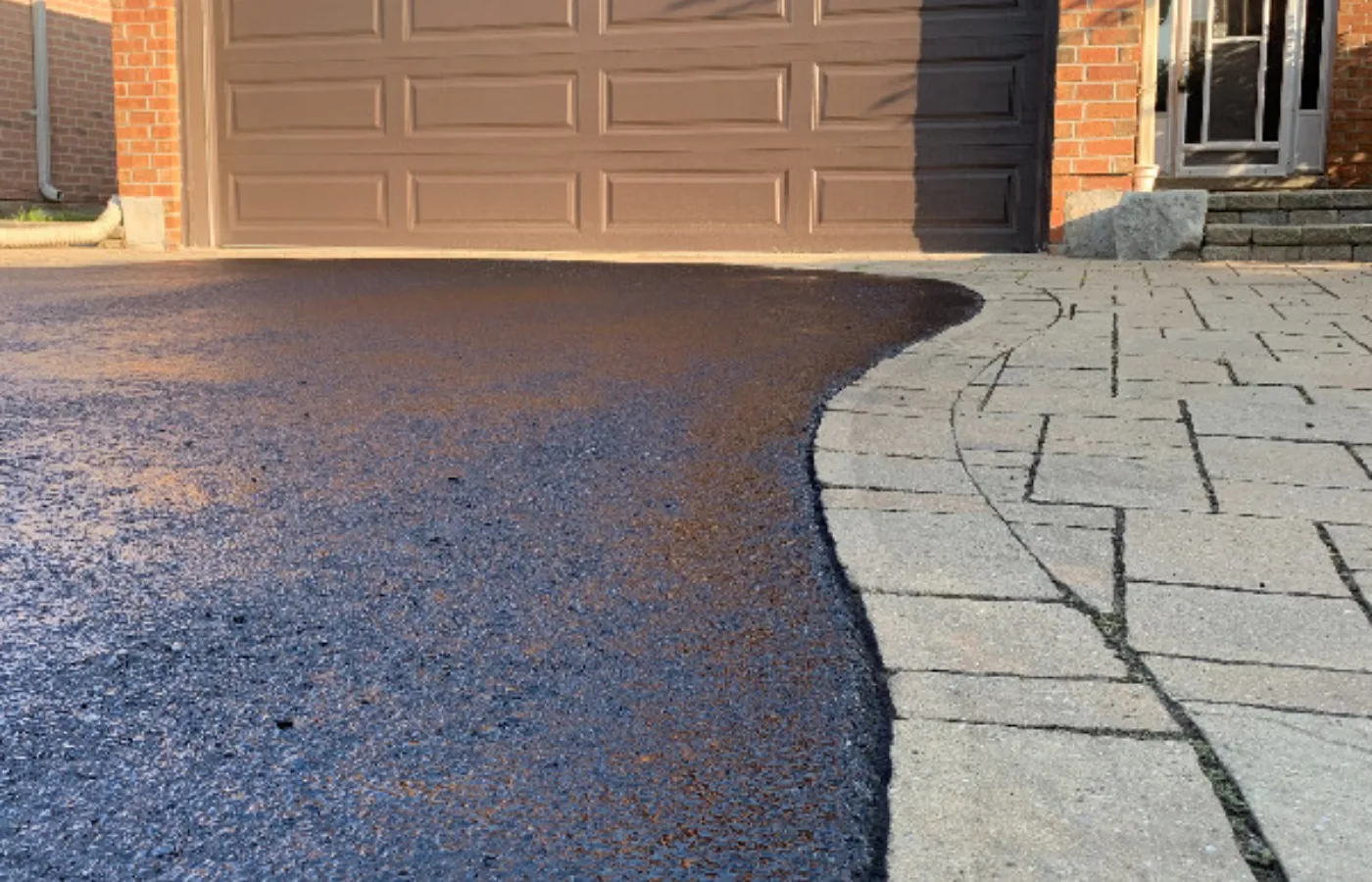
- A rich, jet-black driveway signals to buyers, tenants, and customers that the property is meticulously cared for.
11. Promoting Eco-Friendly Sustainability
Sustainability is an unexpected byproduct of proactive maintenance:
- It drastically reduces the need for new materials.
- Tearing out and manufacturing new asphalt requires significant energy consumption, heavy machinery emissions, and raw aggregate mining.
- By preserving what you already have, you drastically lower your property’s carbon footprint.
12. Creating a Predictable Maintenance Schedule
Chaos is expensive. Reacting to pavement failures usually means paying premium rates for emergencies:
- By establishing a routine commercial lot maintenance schedule, you avoid nasty surprises.
- It allows you to accurately forecast your budget years in advance while keeping your property safe.
Start Your Pavement Preservation Plan Today
Waiting for your asphalt to fail is a losing game. The physics, the finances, and the liability risks all point to one undeniable conclusion: early intervention wins every time. Don’t wait for the asphalt to crumble. Investing in proactive pavement maintenance today guarantees a safer, better-looking, and exponentially cheaper property tomorrow. If you’re ready to stop the damage cycle, get an expert assessment and lock down a preservation plan before the next harsh season hits.