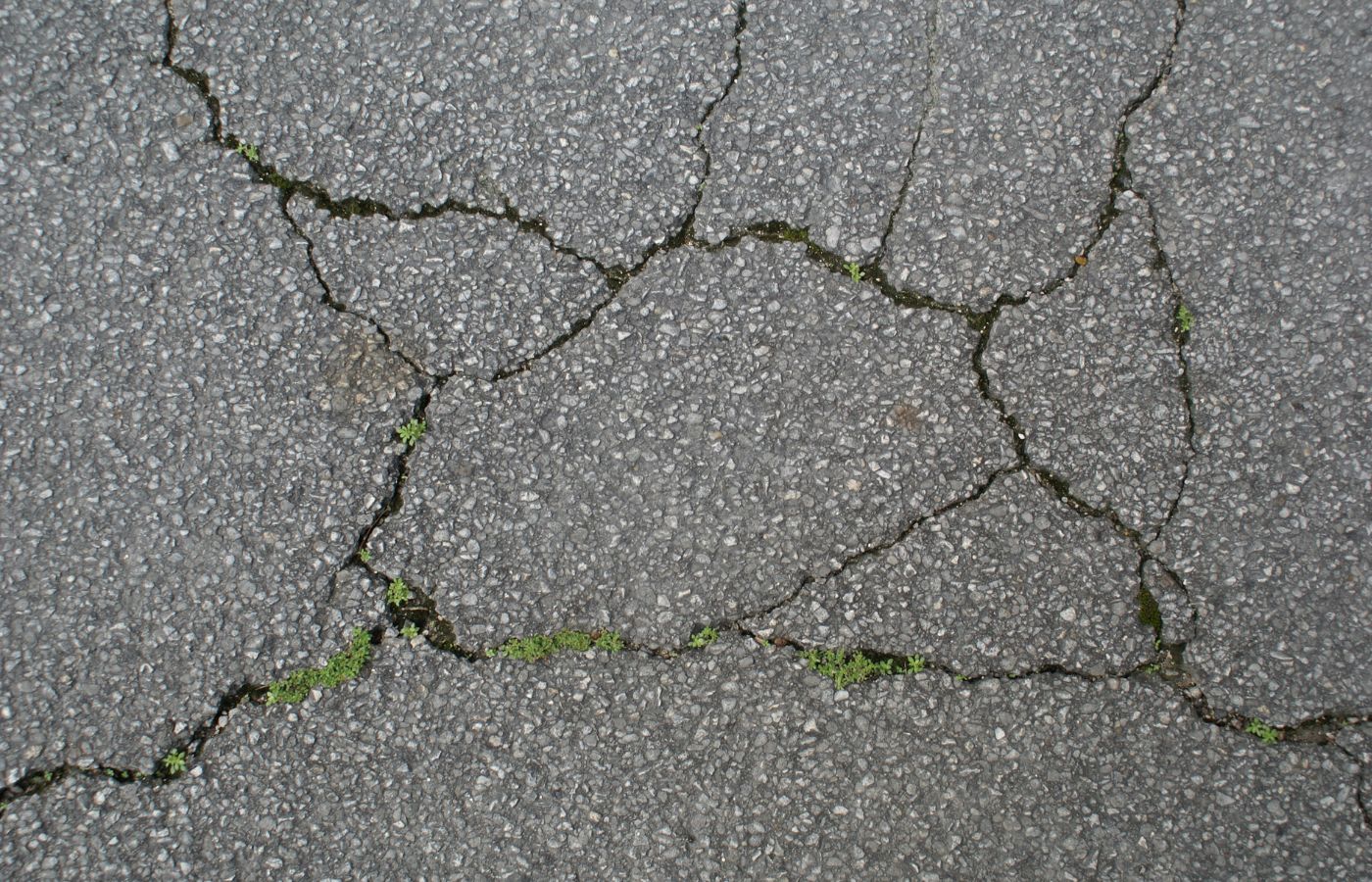
If you have ever walked across an aging driveway or parking lot and noticed a pattern of cracks that look like reptile skin, you are looking at alligator cracking. Also referred to as gator cracks, asphalt fatigue, or crocodile cracking, this can start off small yet can turn into one of the most serious problems for any asphalt surface.
This guide explains what alligator cracking is, what causes it, how to fix it properly, and how quality asphalt sealing can help prevent the problem in the future.
What Is Alligator Cracking
Alligator cracking is a series of interconnected cracks that spread out over the asphalt surface in a pattern resembling the hide of an alligator. It does not happen in a straight line pattern but in a web-like or block fashion. This type of cracking is indicative of structural failure within the pavement layers beneath the surface.
What Causes Alligator Cracking?
Alligator cracking occurs when the pavement no longer has the structural integrity to support the load, and several common issues can lead to this type of asphalt fatigue.
1. A Weak or Damaged Base Layer
When the gravel underneath the asphalt isn’t laid properly or if it shifts and erodes over time, the asphalt on top can start to bend and crack.
2. Heavy Vehicle Loads
Heavy vehicles, such as delivery trucks, garbage trucks, or other large vehicles, can place stress on pavement beyond its design capacity, particularly in thinner residential driveways.
3. Poor Drainage
Standing water or trapped moisture softens the base layer, weakening the asphalt. One of the most prevalent causes of gator cracks over large areas is because of water damage.
4. Aging and UV Exposure
As asphalt ages, it becomes stiff and less flexible. UV rays accelerate oxidation. If sealcoating or asphalt sealing is not done regularly, the pavement becomes brittle and is more inclined to crack.
5. Incorrect Installation
Likely reasons for this behavior include thin asphalt layers, poor compaction, or low-quality materials.
How To Fix Alligator Cracking
Alligator cracking is a structural problem and requires more than cosmetic fixes. The right repair depends on how advanced the damage is.
Step 1. Assess the Damage
- Small cracks: early-stage spider web patterns
- Moderate cracks: spreading and weakening pavement
- Severe cracks: crumbling, sinking, or visible base failure
Step 2. Choose the Right Repair Method
Short-Term Options for Early Cracks
- Sealcoating: Protects asphalt from water, UV rays, and oxidation; best for maintenance rather than repair.
- Crack Sealing: This is good only for minor cracks. It prevents moisture intrusion but will not repair structural defects.
Long-Term Solutions for Moderate to Severe Damage
- Full-depth patching involves the complete removal of the cracked asphalt and weak base, rebuilding the foundation, and laying new asphalt. This will restore the pavement strength and durability.
- Base Repair and Drainage Correction: Resolves water-related problems and prepares the subbase for repaving.
- Resurfacing or Complete Repaving: Best for large areas that have extensive alligator cracking; this provides a durable and long-term solution.
Preventing Alligator Cracking
Prevention is easier and cheaper than repairs. Follow these steps to protect your asphalt:
- Sealcoat Every Two to Three Years: Adds a protective layer to prevent oxidation and water damage.
- Repair Small Cracks Immediately: Stops minor cracks from developing into full-blown structural failures.
- Manage Drainage: Make sure water does not pool or seep into the base layer.
- Limit Heavy Loads: Avoid parking trucks or equipment on asphalt not designed for heavy traffic.
Protect Your Asphalt and Save Money
Alligator cracking signals structural problems that require proper repair. While asphalt sealing is essential for maintenance and prolonging the life of your pavement, structural damage must be addressed with professional repaving, base repair, or patching.
By inspecting your asphalt regularly, addressing small issues quickly, and maintaining the surface with sealcoating, you can extend the lifespan of your driveway or parking lot and avoid costly replacements.